Markus Broder, Mobility stands for movement. Would it be correct to say that there has been a lot going on behind the scenes too in your area of work in recent years?
Markus: A lot has changed in fact. We have refined the way we collaborate, make decisions differently than we did a few years ago and are constantly working to align our offers more closely with the needs of our customers. Above all, however, the willingness to question and approach things in new ways is much more noticeable now.
What spurred on this development?
It wasn’t one single decision, but a step-by-step process.
Everyday life has accelerated massively: nowadays customers book vehicles by app. They expect reliable information in real time and simple processes – from reservation to billing. If something doesn’t work, it’s noticed immediately. We have noticed that sometimes it took too much time for a solution to reach customers.
What lessons did Mobility learn from this?
One important lesson was to improve the available knowledge in strategic areas. As a result, we are now much less dependent on external partners and develop our own central digital offers – including the app, the customer portal and new self-service solutions for corporate customers. This creates solutions that bring together knowledge about our customers, our products and the technology behind them.
Does this change the way we think about new offers?
Our work always begins with the question of what users actually need in their day-to-day lives. In other words, our first thought is not about what we can offer, but what specific problem we want to solve. To do this, we look at typical situations – such as moving house, shopping at a furniture store or spontaneous weekend outing. The decisive factor is whether a solution really makes everyday life easier, for example through simpler bookings, fewer queries to customer service or smoother processes.
So is the way we collaborate within Mobility changing?
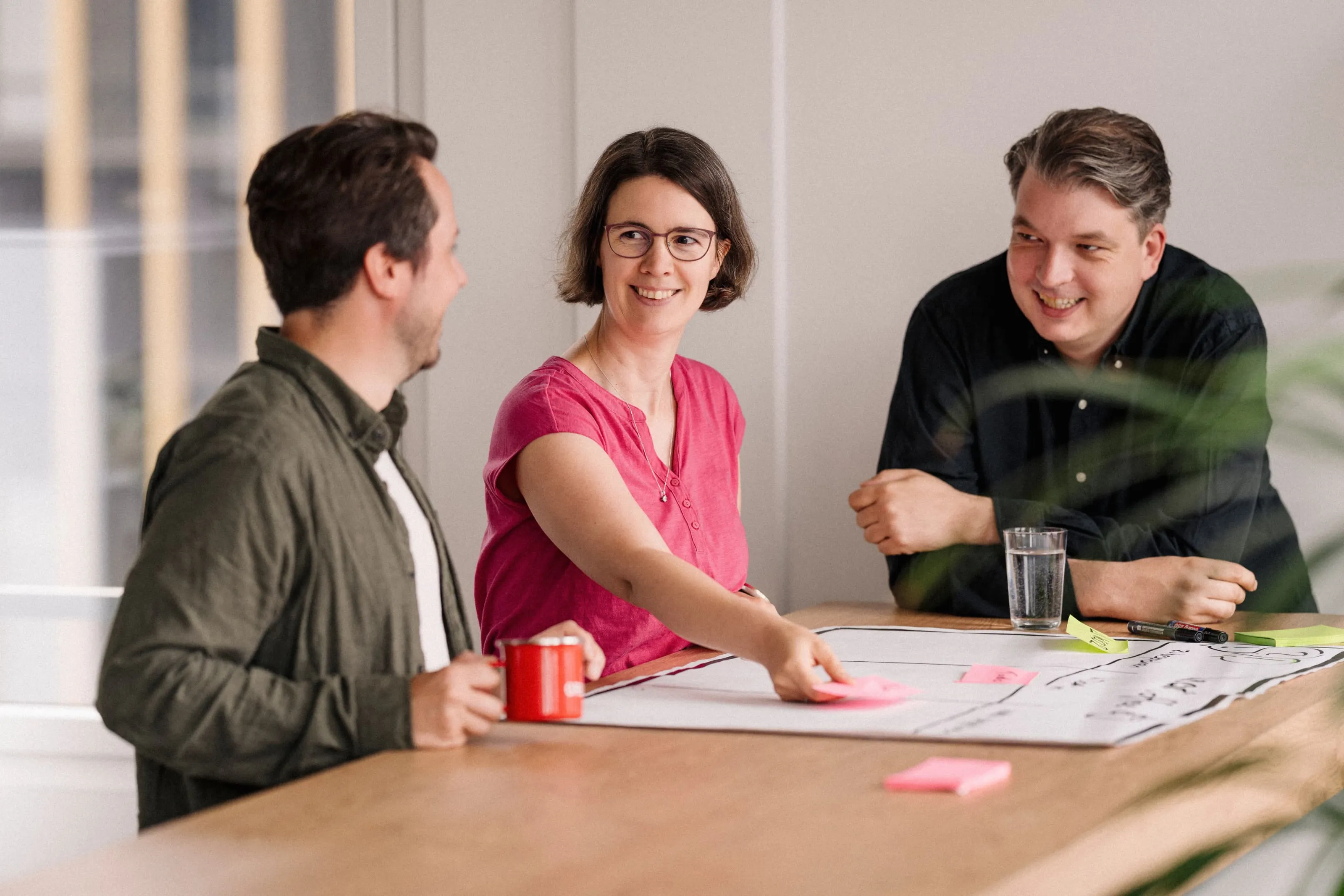
Yes, exactly. We are constantly working to bring employees from different departments closer together. Colleagues from product management, customer service, marketing or IT often work hand in hand. We want to keep forging ahead along this path: The aim is to create cross-departmental teams that jointly take responsibility for a topic or a customer experience.
How is this way of working different from before?
Previously, there were a lot of things that were developed behind closed doors for a long time. However, we need to have the courage to try new things ahead of the curve – and to discontinue them if they don’t add value. Nowadays, we all regularly get to see what is being worked on, gather feedback at an early stage and are able to tweak projects together.