Sign up to become an electric car coach
We are looking for people with prior experience of electric cars and who can pass on their knowledge to the Mobility community as a car sharing coach at events.
To the formThere is no way around electric mobility. But what’s the right to combine this technology with car sharing in the long term? And what can the cooperative do to get past people’s reservations? The answers to these questions come from the community itself.
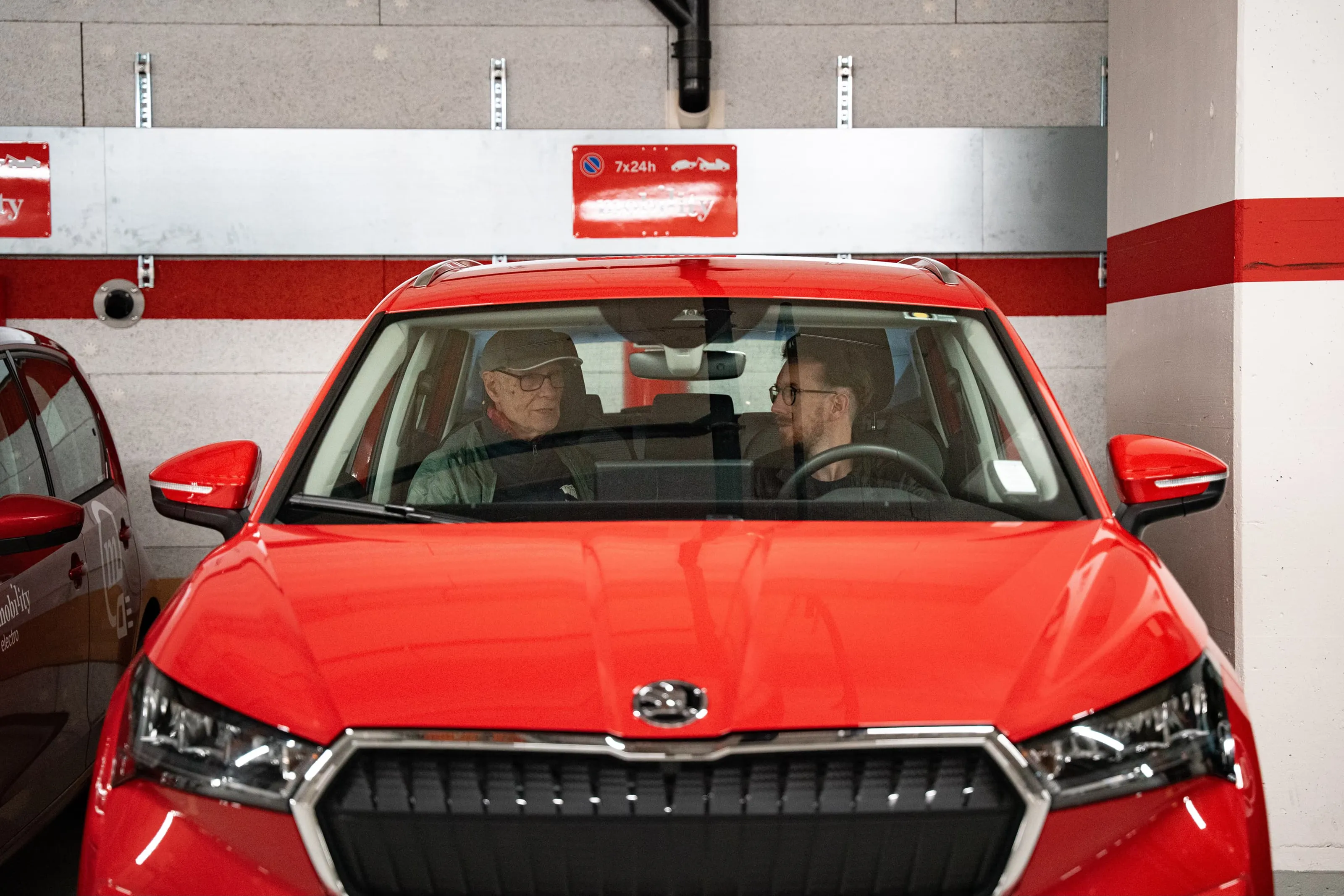
“Nowhere in Europe is the climate for electric mobility as poor as in Switzerland,” says Swiss eMobility, the industry association for electric mobility, which even speaks of a “policy of active prevention”. However, this is not stopping our cooperative from forging ahead and continuing to switch its fleet to electric drive systems.
By the end of 2025, 707 out of 3'260 cars in total were all-electric, amounting to 22%. These vehicles are distributed across 365 electrified locations. 70 locations were equipped with new charging stations last year.
It is great to see that Mobility customers are open to sustainable drive systems: in fiscal year 2025, around 20% of all journeys were made with electric cars.
0
0%

Nevertheless, significant challenges remain in the transition process. While it is true that car models are slowly falling in price and that more electric compact cars will finally come onto the market in the next few years, both are happening more slowly than was expected a few years ago. The expansion of charging infrastructure also continues to present a major task for Mobility. For example, it usually takes six months to set up a parking space for an electric car.
This is one of the reasons that Mobility launched a project in spring 2025 to identify ways of sharing electric cars without a dedicated charging station. Users charge on the go – in the same way they have been doing with refuelling for years. Dominik Moor, Project Manager at Mobility, explains the underlying concept: “The public charging infrastructure is getting better all the time. The aim of the pilot project is to show the extent to which this infrastructure can be incorporated into the utilisation of Mobility vehicles.” And it is high time too: after all, there are now more than twice as many charging locations as petrol stations in Switzerland, battery technology is constantly improving, and customers have had a lot of experience with electric cars in recent years.
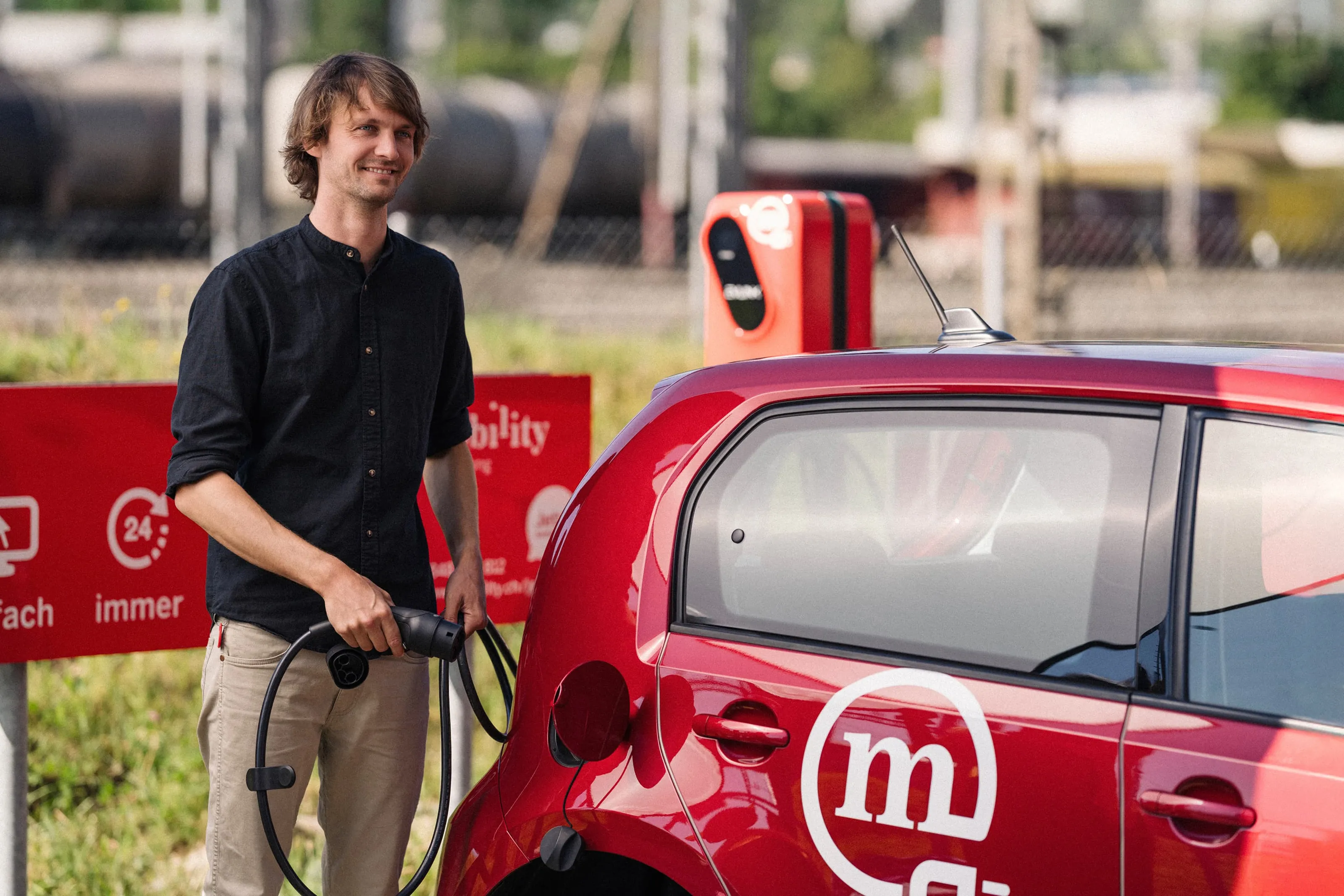
The project initially ran with 13 locations and was expanded to include three additional vehicles in French-speaking Switzerland from autumn 2025. Users who charged one of these cars while on a journey received drive credits in return. In addition, a volunteer group of “charging angels” helped if a car’s charge dropped below a certain level. This is a fine example of how the community helps each other and enables the cooperative to gain new insights.
Cooperative member Remo Streich also took part in the project, “because it is important to promote electric cars as THE sustainable means of transport for Mobility in the future. Electric car sharing without charging stations has a future, as technological advances mean that electric cars can achieve ever greater ranges, charging times are getting faster, and because public charging stations are growing in number and output.”
Another cooperative member who was involved in the project is Peter Frischknecht. Beforehand, he was critical of whether electric cars could run smoothly without their own charging station. “I learned a lot in the exchange, so I can now imagine locations of this kind with additional measures put in place.”
The project is now yielding initial findings. This shows that users are by altogether willing to charge electric cars at public charging stations and that, with the help of the community, empty batteries can be practically eliminated. Conversely, electric cars without a charging station trigger certain uncertainties, which is reflected in lower usage compared to other electric car locations.
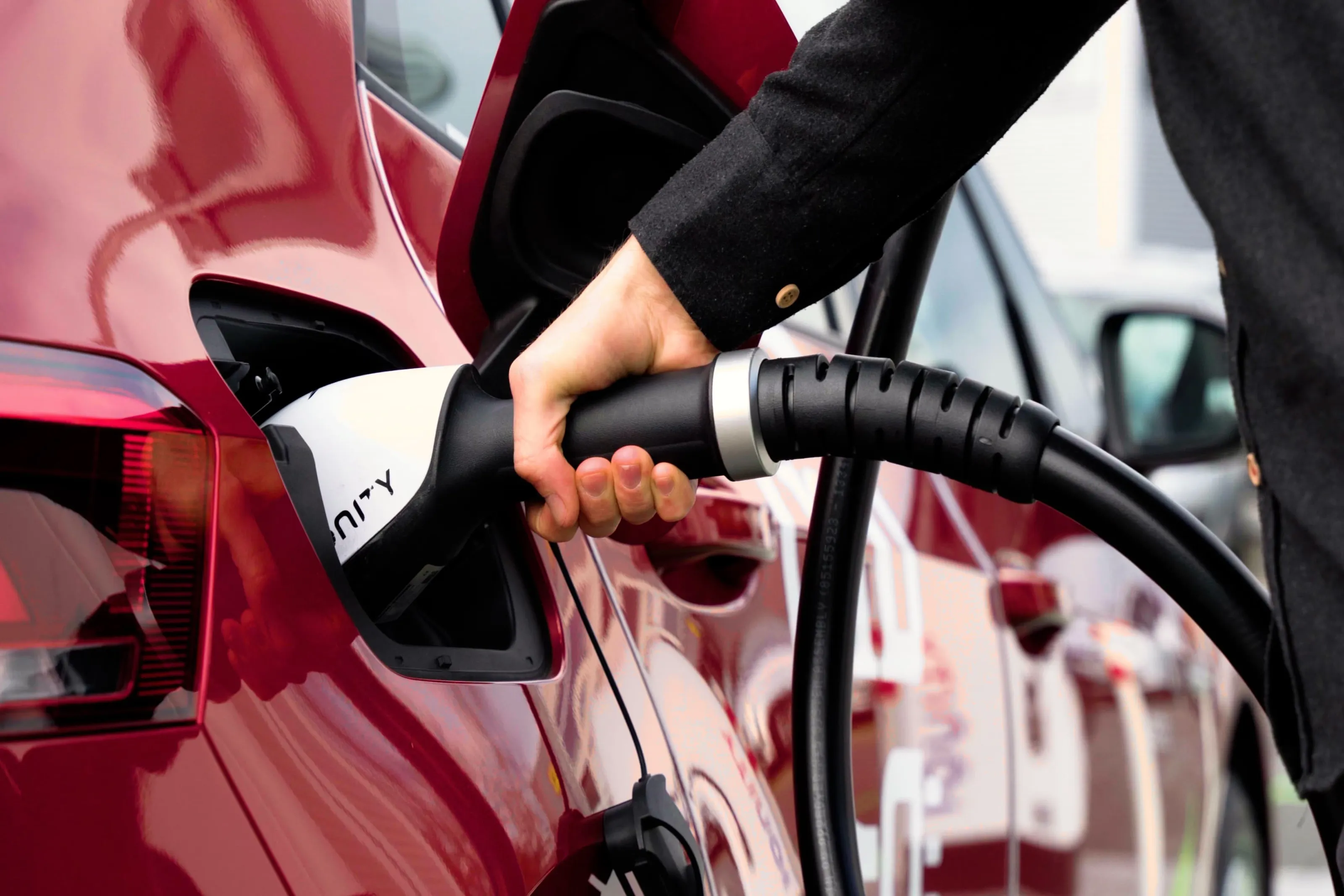
«We can say with certainty that all our electric vehicles are powered by 100 per cent renewable electricity.»
For Mobility, it is important to reduce the uncertainties and reservations associated with electric cars. This is why the cooperative makes sure to offer both electric and fossil-fuel vehicles at all major locations. This year, Mobility is also organising training sessions in Switzerland’s largest cities for customers who want to gain their first experience of electric cars in a safe environment. Mobility is providing the framework for this to take place and the coaches will come from the community. Initial experiences with two test training courses in 2025 were uniformly positive.
We are looking for people with prior experience of electric cars and who can pass on their knowledge to the Mobility community as a car sharing coach at events.
To the formMobility is not yet able to ensure that all charging stations are powered solely by renewable electricity. Last year, the cooperative therefore upgraded 20% of the electricity consumed with electricity certificates from Energie Wasser Luzern (ewl). Roland Beyeler, Head of Sustainability at Mobility, says: “This means we can say with certainty that all our electric vehicles are powered by 100% renewable electricity.”